

AI services in Minnesota: automation and consulting
Our AI services in Minnesota reach every corner of the state. For example, that can mean pick-rate notices at a Twin Cities distribution center or shift reports on the Iron Range. It can also mean cargo papers in Duluth, guest stays in Rochester and patronage statements at a co-op near Mankato. Because we work remotely over video on Central time, every region gets the same service. Furthermore, each engagement begins with a free consultation and a written estimate of savings.
Iron Range shifts, Twin Ports cargo and co-op ledgers across Minnesota
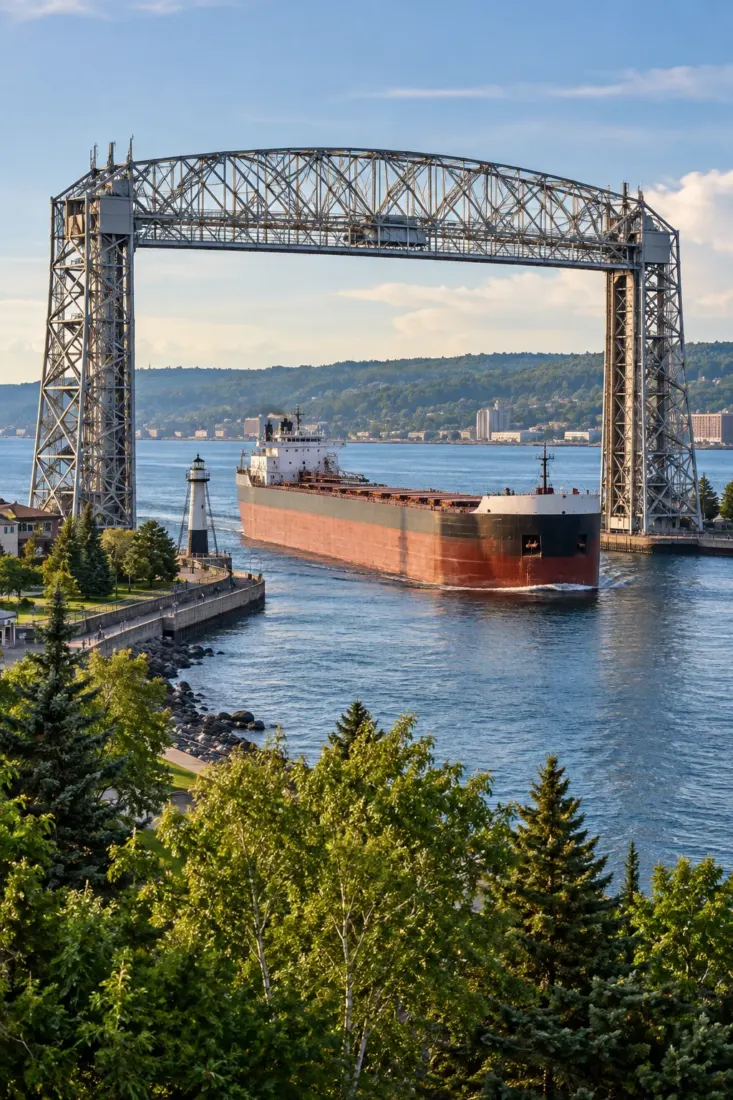
Outside the Minneapolis office towers, Minnesota runs on very different work. For instance, large distribution centers ring the Twin Cities, while the Iron Range mines and processes taconite. Meanwhile, Duluth ships bulk cargo across Lake Superior, and Rochester hosts a steady flow of patients and families. Similarly, St. Cloud plants and farm and electric cooperatives across the south and west keep their own records.
One state law speaks directly to automated productivity tracking. In particular, Minnesota Statutes section 182.6526 covers employers with 250 or more workers at one warehouse distribution center, or 1,000 or more across Minnesota centers. Covered employers must give each worker a plain-language written description of every quota. In addition, workers may request their own work speed data.
As a result, AI services in Minnesota should treat any quota or pace model as a regulated output. That way, the data is ready whenever an employee asks for it.

How AI services in Minnesota support plants, docks and cooperatives
We pick tasks that repeat daily, follow clear rules and are easy to check. To illustrate, a distribution center might want quota notices drafted in each worker’s primary language. Likewise, a co-op might want member statements assembled from scale tickets. Either way, discipline, pricing and safety decisions stay with your people, while the system reads, totals and drafts.
Document & Data Processing
Shift reports, bills of lading, scale tickets and guest folios read into structured fields, so that each value links back to the page it came from.
Customer Response Automation
Routine questions from members, guests or carriers answered quickly. Meanwhile, billing disputes and anything unusual go to a person with full context.
Workflow Automation
Dock, plant and office steps connected across your warehouse, maintenance and accounting systems, instead of being copied between spreadsheets every shift.
Custom AI Agents
Agents that complete multi-step tasks, such as assembling a vessel cargo file, within the approval limits and access rights you set.
Internal Knowledge Search
Safety procedures, equipment manuals and co-op bylaws searchable in plain English from any site, with each answer citing its source page.
Reporting Automation
Weekly summaries by site built from your own systems. Consequently, managers in Duluth, St. Cloud and Mankato see the same figures, explained briefly.
Minnesota sectors, from the Mesabi Range to southern co-ops
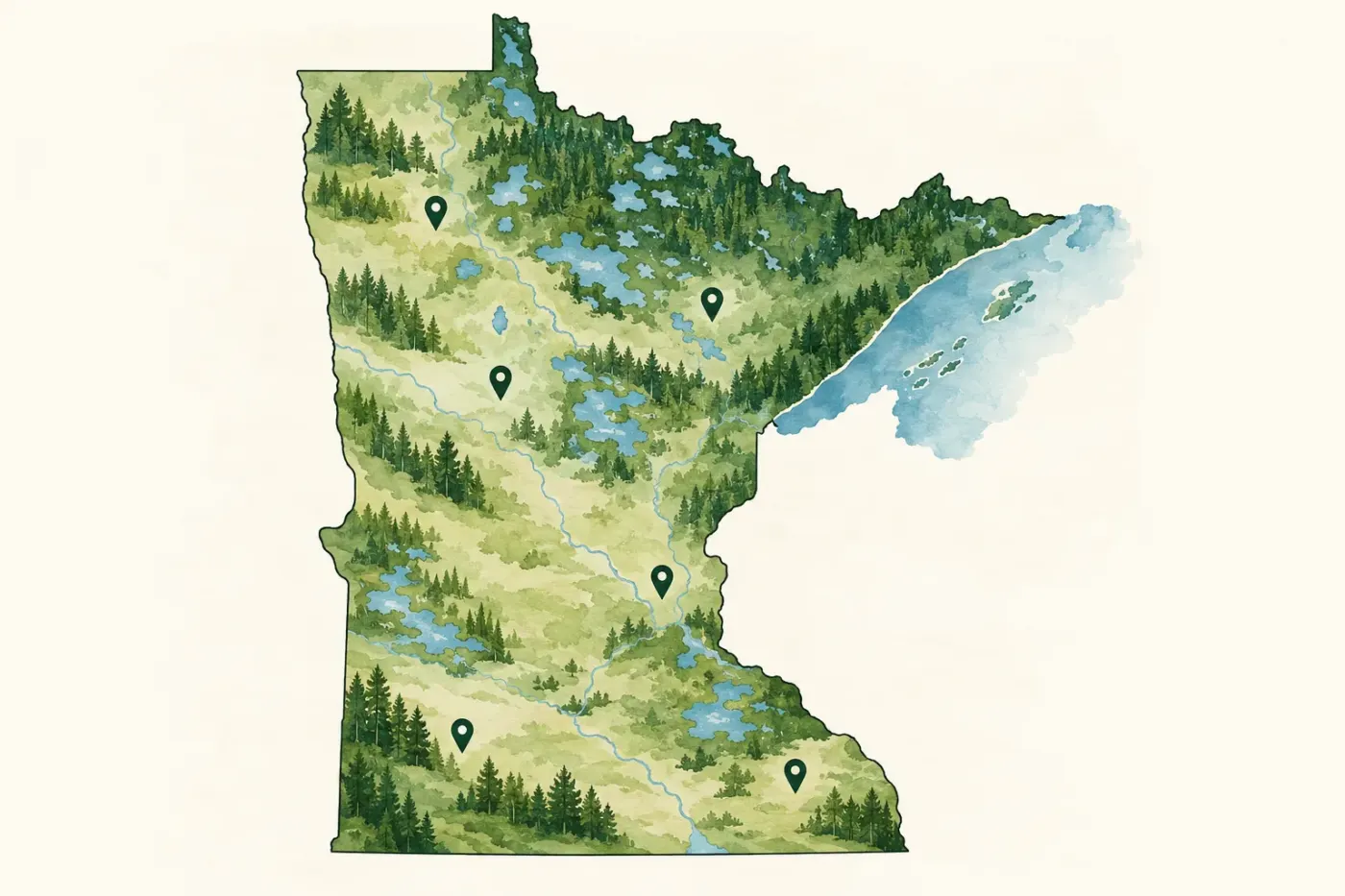
These statewide sectors give our AI services in Minnesota the most repeatable paperwork. Even so, the right first project depends on your systems, your data and the rules you already follow. For that reason, we always review your workflow first.
Warehouse Distribution Centers
For example, quota notices, work speed reports, receiving logs and carrier appointments for distribution centers across the Twin Cities metro and along the I-94 corridor.
Iron Range Mining
Shift reports, equipment maintenance logs, safety inspections and contractor invoices for taconite mines and processing plants on the Mesabi Range.
Twin Ports Shipping
Bills of lading, vessel schedules, cargo manifests and terminal invoices for shippers, terminals and agents moving bulk cargo through Duluth and Superior.
Rochester Patient Hospitality
Also, extended-stay bookings, shuttle schedules, guest messages and folios for hotels and lodging that serve patients and families visiting Rochester.
Central Minnesota Manufacturing
Work orders, quality records, supplier quotes and shipping documents for granite, metal and equipment makers around St. Cloud and its neighbors.
Farm & Electric Cooperatives
Patronage statements, member questions, scale tickets and outage reports for agricultural and electric cooperatives serving towns across southern and western Minnesota.

Good first automation projects for Minnesota teams
Quota Notice Drafting
The system reads each quota setting and drafts a plain-language description in the worker’s primary language. It also tracks when a change needs a fresh notice. However, an HR lead approves every notice before workers receive it.
Work Speed Data Requests
When a worker asks, the system pulls the last 90 days of that person’s data and the site averages. Then it drafts the response package and tracks the four-business-day deadline. Finally, a supervisor reviews the package before release.
Shift Report Summaries
The system reads and summarizes operator notes, downtime codes and maintenance logs from each shift. In addition, the system flags repeat equipment faults. Even so, a shift supervisor checks every summary before it reaches the morning meeting.
Vessel Cargo Files
For each vessel call, the system gathers the bills of lading, manifest and terminal charges, then checks that weights and quantities agree. As a result, mismatches surface early, while a terminal clerk approves every file.
Extended-Stay Guest Replies
The system answers guest questions about shuttles, long-stay rates and late arrivals from hotel policies. Meanwhile, the system drafts replies for billing or accessibility requests. A front office manager approves those replies before they go out.
Patronage Statement Assembly
Scale tickets, purchases and member records are totaled for each member. Then the system drafts the patronage statement and flags accounts with missing tickets. A co-op accountant reviews and approves every statement before mailing it to members.
Five video stages for a project across Minnesota sites
Our AI services in Minnesota follow the same five stages over video. Our hours are 9:00 AM to 7:00 PM Central, which is Minnesota’s own time zone. Therefore, sessions fit day shifts in Duluth, Rochester and the Twin Cities alike.
Discovery
To begin with, we interview staff at each warehouse, plant, hotel or co-op office over video. We map the workflow and note every system and type of worker or customer data it uses.
AI Strategy
After that, we score each opportunity on build cost, time to value and yearly savings. We also flag any quota or work speed data, so your counsel can review it early.
Pilot Build
Then we build the top-ranked idea as a fixed-scope pilot at one site. That way, your team judges real output from its own files before approving a wider rollout.
Implementation
Following a successful pilot, we connect the system to your live tools and train each site on video calls. Additionally, we set human review gates and a written rollback plan.
Optimization
Finally, we review accuracy every month and tune prompts and retrieval for each site. Each remote review ends with a short written report on hours saved.
What clients say
AI services in Minnesota: quota notices, work speed data and staffing
Do you work with businesses in Minnesota?
Yes. We provide AI services in Minnesota to businesses across the state, from Minneapolis and St. Paul to Rochester, Duluth, St. Cloud and Mankato. That said, delivery is fully remote from our base in Canterbury in the UK, so we do not visit sites. Instead, discovery calls, demos and training happen over video, Monday to Friday, 9:00 AM to 7:00 PM Central.
What must Minnesota warehouse workers be told about a quota an AI system sets?
If you are a covered employer under Minnesota Statutes section 182.6526, each worker needs a written description of every quota. It must explain how the quota is measured, the time period and any adverse action for missing it. In addition, it must be in plain language and the worker’s primary language. A quota increase needs notice at least one working day before it takes effect. Therefore, we build notice drafting into any pace or quota model.
How quickly must we answer a worker's request for work speed data?
Under the same statute, a covered employer must respond within four business days. The response includes the written quota description and the last 90 days of the worker’s own work speed data. It also includes 90 days of aggregated data for similar workers at that site. Workers may ask up to four times a year. As a result, we design systems that can assemble this package quickly for a supervisor to review.
Will automation cut jobs at our plant, co-op or warehouse?
That is your decision, not the system’s. Most first projects remove rekeying and document chasing rather than whole roles. In other words, a co-op accountant spends less time totaling tickets and more time helping members. Similarly, every system keeps a person approving its output. Your free consultation ends with a fixed-price estimate and the hours each site could save, so you can plan staffing with real numbers.

Nearby areas we also serve
Clients frequently operate across state and metro lines. We work throughout the region.

Ready to find out what AI could save your Minnesota business?
Book a free 30-minute consultation. Bring one workflow that eats your team’s week and we will tell you honestly whether automating it is worth the money.