
AI Automation Solutions for Different Industries
Every industry has its own challenges, but repetitive work, disconnected systems, and manual processes can slow down almost any business. Our AI automation solutions for businesses are built to remove that friction.
At DevSolutionsAI, we help U.S. businesses identify and automate everyday workflows using AI agents, intelligent automation, and connected business systems.
Whether your team manages customer inquiries, processes documents, coordinates appointments, or updates multiple platforms, we design each workflow around the way your team operates.
Explore the industries we serve or book a free consultation to discuss your workflow.
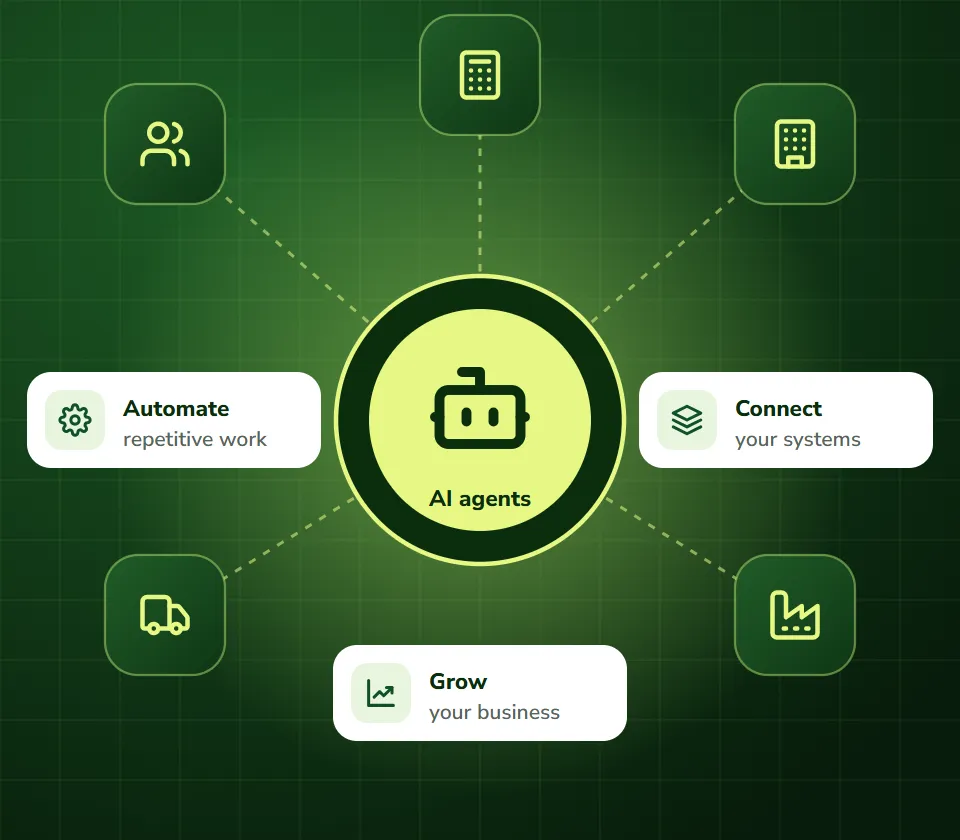
Industries We Serve
We help businesses across different industries streamline operations, reduce repetitive work, and achieve better results with AI automation.
Our solutions focus on real business outcomes: higher productivity, faster response times, and smarter decision-making.
Find your industry and explore solutions
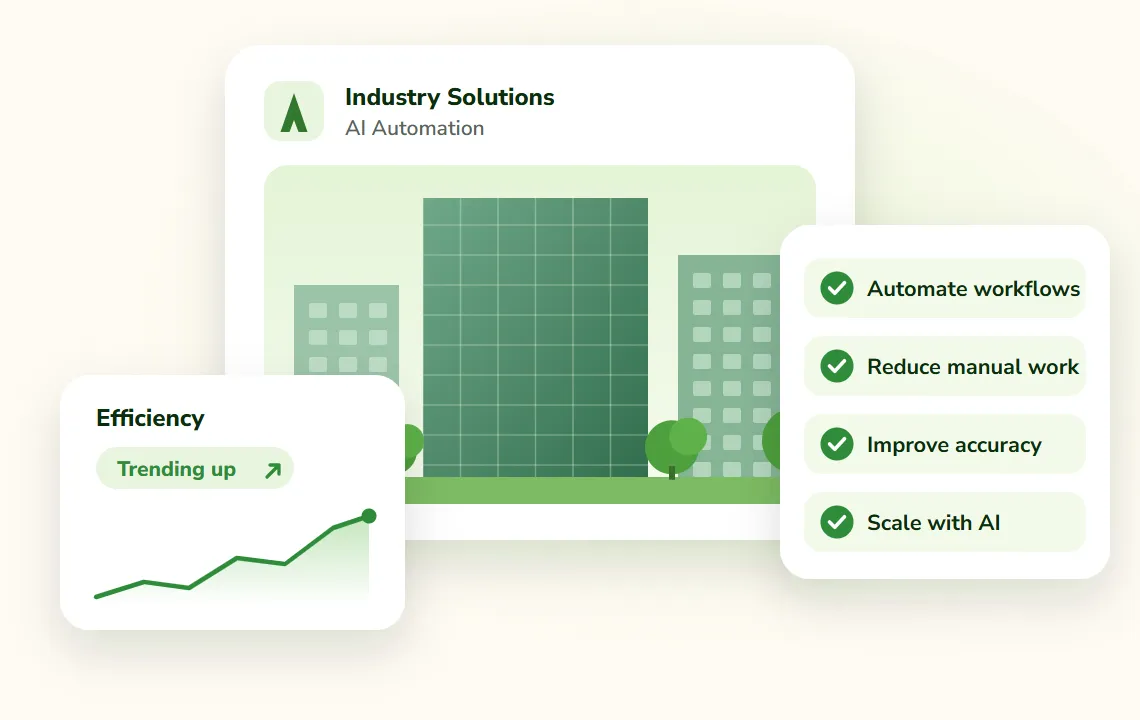
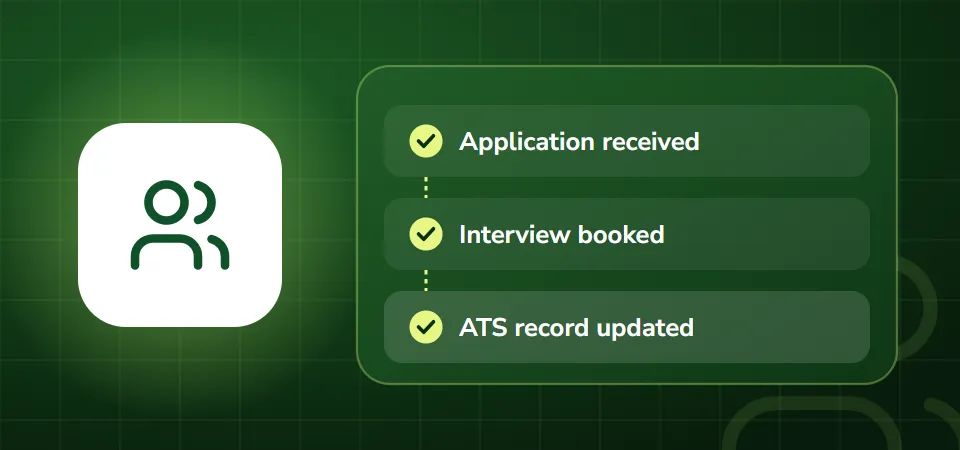
Recruitment & Staffing
Recruitment teams juggle applications, candidate messages, interviews, and platform updates. That is why we automate follow-ups, organize candidate information, and coordinate interviews, so recruiters spend less time on admin.
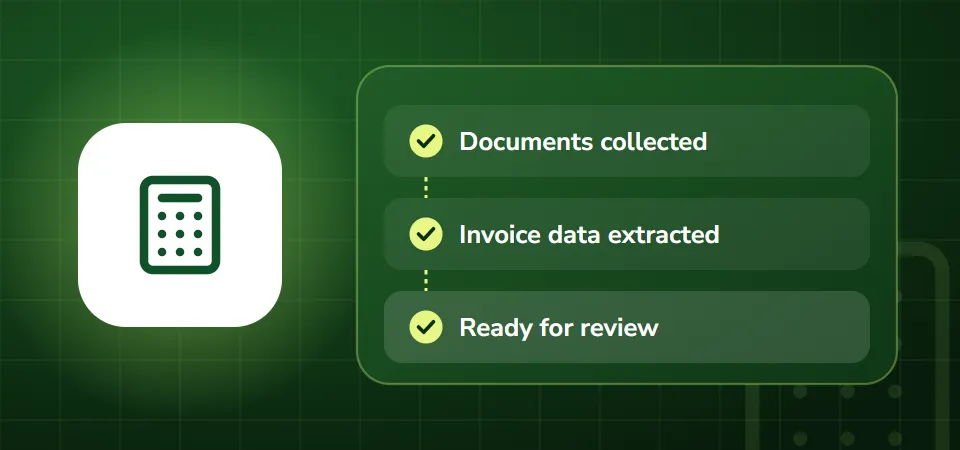
Accounting Firms
Accounting firms collect documents, process invoices, and chase missing information monthly. As a result, we organize incoming files, extract data for review, send client reminders, and connect your accounting tools.
Property Management
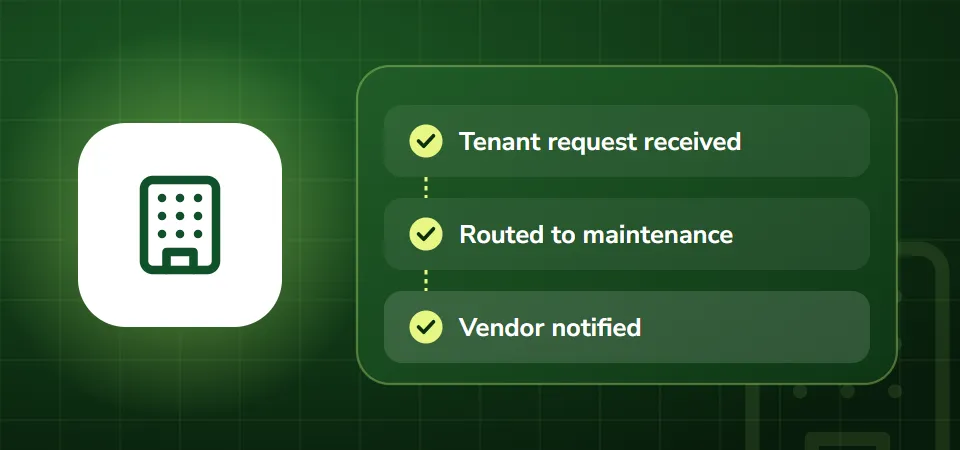
Property managers coordinate tenant requests, maintenance, vendors, and recurring reports. To help, our workflows organize requests, route maintenance jobs to the right people, automate follow-ups, and keep teams informed.
Construction
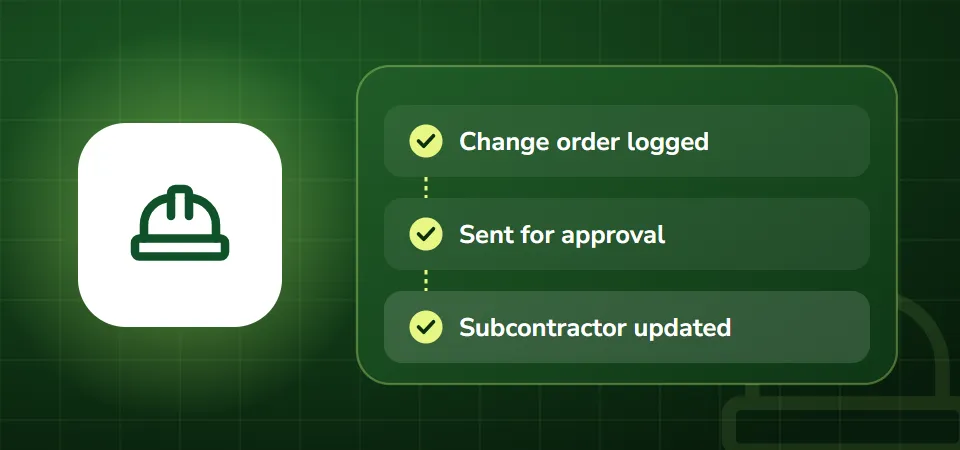
Construction companies manage project documents, subcontractors, approvals, and team updates. Therefore, our automation moves project information between people and systems faster, so approvals and change orders never stall.
Law Firms
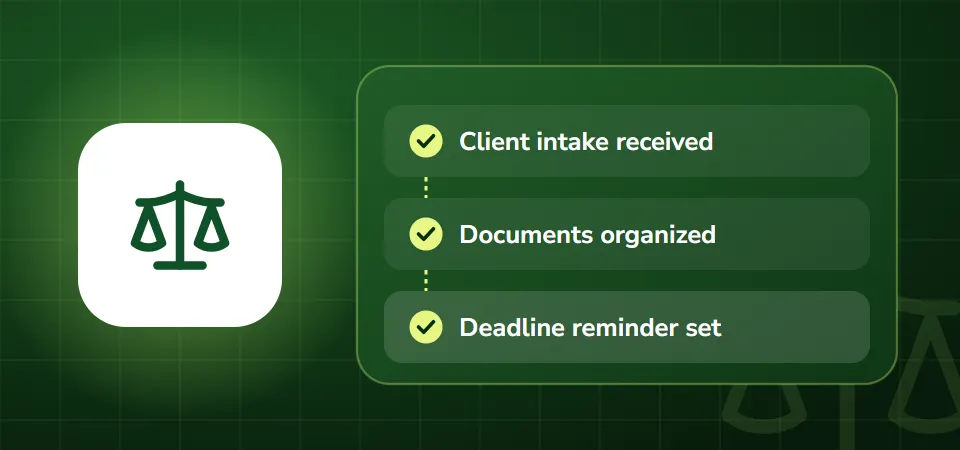
Law firms handle client inquiries, legal documents, matter updates, and strict deadlines. However, we automate admin workflows while sensitive information and critical decisions stay under your legal team’s control.
Retail & E-commerce
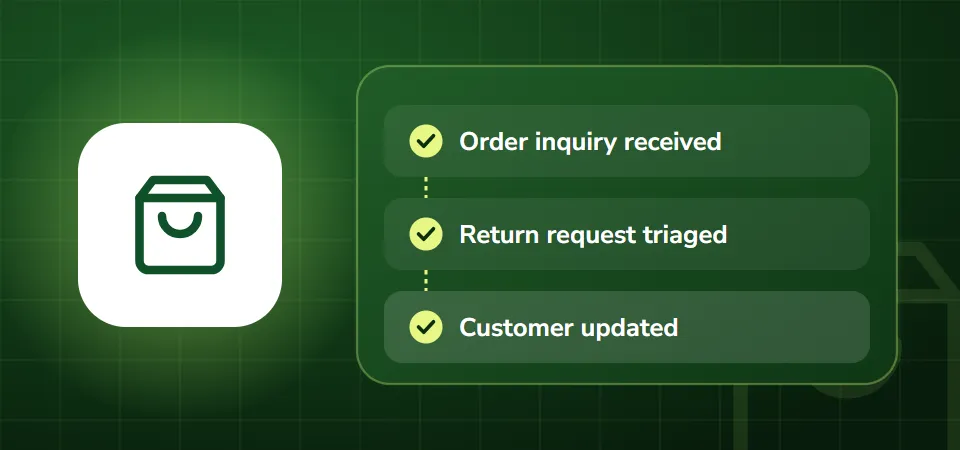
Retail and e-commerce teams answer order, return, and product questions across many platforms. Instead, we automate request routing, return triage, product updates, and support tasks for faster answers.
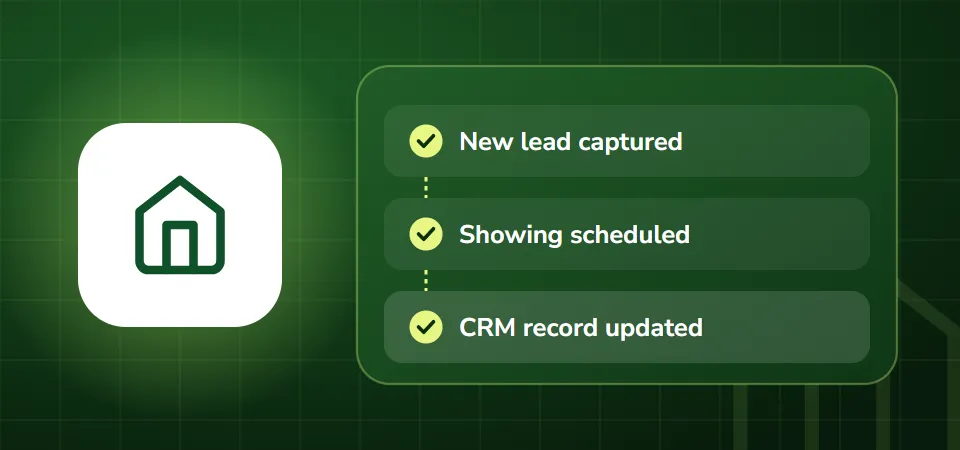
Real Estate
Real estate teams manage property inquiries, lead follow-ups, showings, and documents. In addition, our automation routes new leads, schedules follow-ups, collects documents, and keeps your CRM records accurate.
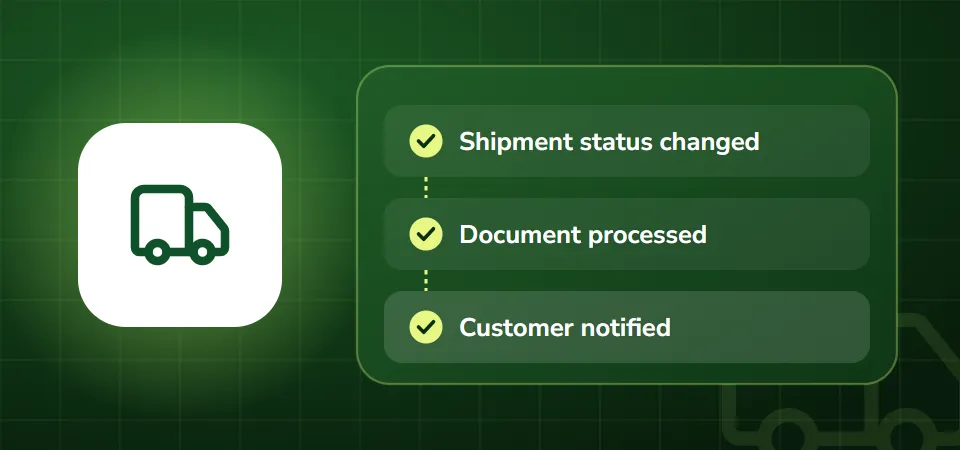
Logistics & Transportation
Logistics companies track shipments, process documents, and update customers across many systems. For that reason, we automate status notifications, document processing, inquiry routing, and exception reports for faster information flow.
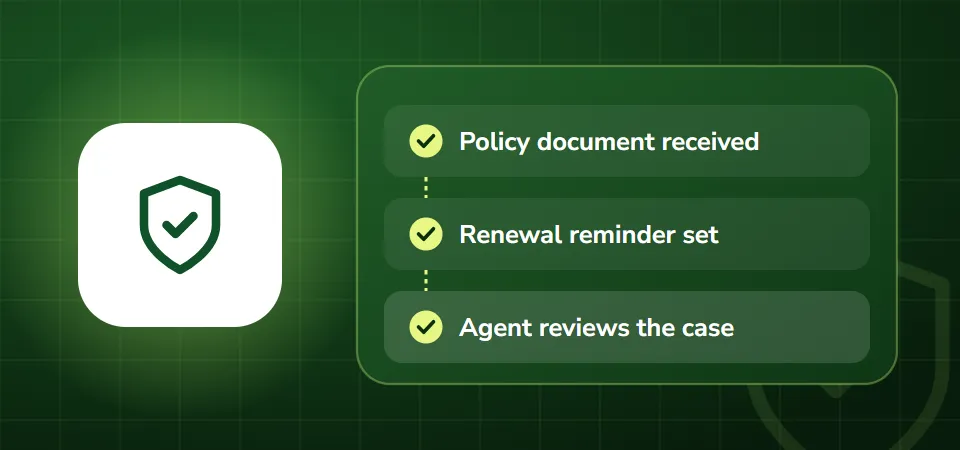
Insurance Agencies
Insurance agencies manage inquiries, policy documents, renewals, and administrative reviews daily. Therefore, we automate intake, routing, and reminders, while staff review, access controls, and oversight stay in place.
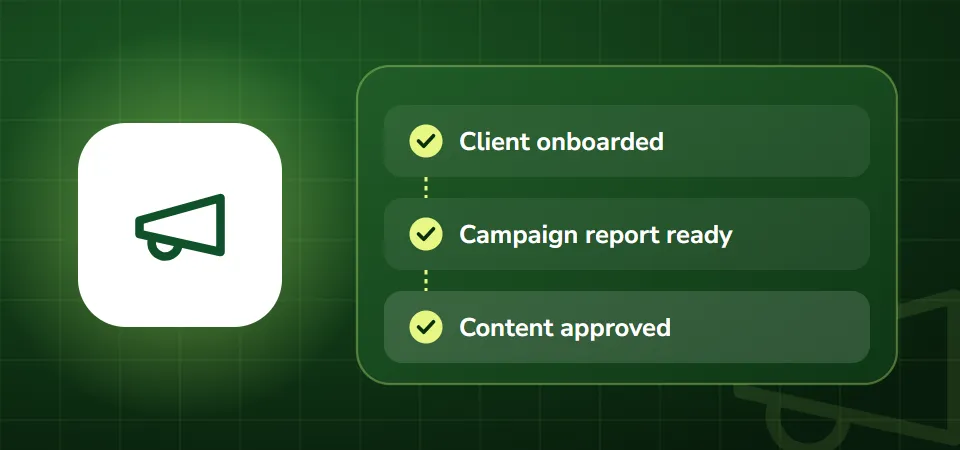
Marketing Agencies
Marketing agencies handle client onboarding, campaign reporting, approvals, and communication across many tools. As a result, we automate reports, approvals, and CRM updates, so your team focuses on strategy and creativity.
Manufacturing
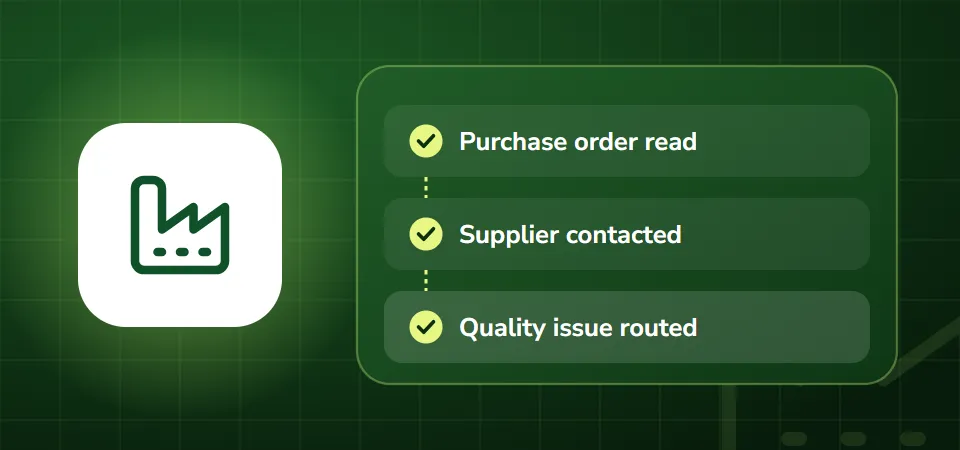
Manufacturing teams coordinate purchase orders, supplier documents, quality reports, and handoffs. To help, we automate document processing, supplier communication, and issue routing, while critical approvals stay with your team.
Not sure if your industry is listed?
Let’s discuss your business workflows and explore the possibilities. Most teams share the same repetitive work, whatever the industry.
Business Workflows We Help Automate Across Industries
While every business operates differently, many teams face similar workflow challenges. That is why our AI automation solutions for businesses start with these shared workflows.
Customer Inquiry and Lead Management
Capture incoming requests, organize information, route inquiries, and prepare follow-ups so the right team members can respond.
Document Processing and Data Entry
Use AI-assisted document extraction, classification, and validation workflows to reduce repetitive manual entry while preserving review steps.
Appointment and Scheduling Workflows
Coordinate appointments, reminders, scheduling updates, and routine customer communications across connected systems.
CRM and Business System Integrations
Connect business tools to reduce duplicate data entry, synchronize information, and improve operational visibility.
Customer Support Automation
Help teams classify requests, prepare responses, route issues, and escalate situations that require human attention.
Reporting and Operational Updates
Collect information from connected systems, prepare routine summaries, and help teams track workflow performance.
Why Choose DevSolutionsAI for Industry-Specific Automation?
Built Around Your Business Processes
We start by understanding how your team works, where tasks get delayed, and which activities are suitable for automation.
AI Agents and Workflow Automation
Not every problem requires a complex AI agent. Instead, we recommend rules-based automation, AI-assisted processing, or connected agents based on the workflow.
Integration With Existing Tools
Our approach considers the CRM, document systems, communication platforms, and operational software your business already uses.
Human Review Where It Matters
In addition, we design approval points, exception handling, and escalation processes for tasks that need staff oversight.
Practical Measurement
We help define relevant metrics, such as task handling time, request volume, error rates, and exception rates, so improvements can be evaluated against a baseline.
How We Build AI Automation Solutions
Every project moves through the same five stages, from the first conversation to ongoing improvement.
Discover Your Workflow
First, we discuss your current processes, repetitive tasks, existing tools, and operational goals.
Identify Automation Opportunities
Next, we evaluate which steps can be automated, which require AI, and which should remain under human control.
Design the Solution
Then we define the workflow, integration requirements, permissions, approval points, and expected outcomes.
Build and Test
After that, we implement the agreed solution and test it using representative workflows, including exceptions and failure scenarios.
Launch and Improve
Finally, after deployment, we review workflow performance, monitor issues, and identify opportunities for refinement.
From Manual Requests to a Connected Workflow
Consider a business receiving customer requests through email and website forms.
- A team member manually reads each inquiry.
- Information is copied into a CRM or spreadsheet.
- The request is forwarded to the appropriate person.
- Follow-up reminders are created manually.
- Managers check different systems for updates.
- Incoming inquiries are captured from approved channels.
- Information is classified and structured.
- Relevant records are created or updated in connected systems.
- Requests are routed according to business rules.
- Follow-up tasks and status reports are prepared automatically.
- Uncertain or sensitive cases are sent for human review.
This is an illustrative workflow, not a claim about a completed client implementation or guaranteed results.
Frequently Asked Questions About Industry-Specific AI Automation
What industries can benefit from AI automation?
AI automation solutions for businesses can support many industries, including recruitment, accounting, property management, construction, retail, real estate, logistics, insurance, marketing, and manufacturing. The best opportunities depend on the business’s workflows, systems, and operational requirements.
Can AI automation work with our existing business software?
Many workflows can connect with existing CRMs, document platforms, scheduling tools, and other business applications. Integration feasibility depends on available APIs, permissions, and technical requirements.
Does every business need AI agents?
No. Some processes are better handled with straightforward rules-based automation. AI agents are more appropriate when a workflow requires additional interpretation, contextual decisions, or coordination across connected tools.
How much does industry-specific AI automation cost?
Pricing depends on workflow complexity, system integrations, data requirements, testing, security controls, and ongoing support. A workflow review helps define the scope before providing an estimate.
Can we automate one workflow instead of an entire department?
Yes. Starting with one repetitive, measurable workflow is often a practical way to test the approach before expanding automation to additional processes.
Will AI automation replace our employees?
Automation can reduce repetitive administrative work and help employees focus on activities that require judgment, communication, and expertise. The impact on roles depends on how a business chooses to implement it.
How do you keep business information secure?
Security requirements should be considered during solution design, including access permissions, data handling, logging, human review, and relevant regulatory obligations. Specific controls depend on the systems and information involved. Many teams use the NIST AI Risk Management Framework as a reference.
How long does implementation take?
Implementation timelines depend on the number of workflows, integration complexity, available data, testing requirements, and approval processes. A consultation can help establish a realistic project timeline.
Find the Right AI Automation Solution
for Your Industry
Your business does not need to automate everything at once. Start with one workflow that consumes time, creates repetitive work, or causes delays between teams.
At DevSolutionsAI, we build AI automation solutions for businesses across the U.S. In practice, that means we explore automation opportunities, plan suitable integrations, and design workflows around your operational needs. Let’s discuss where AI automation could make a measurable difference in your business.